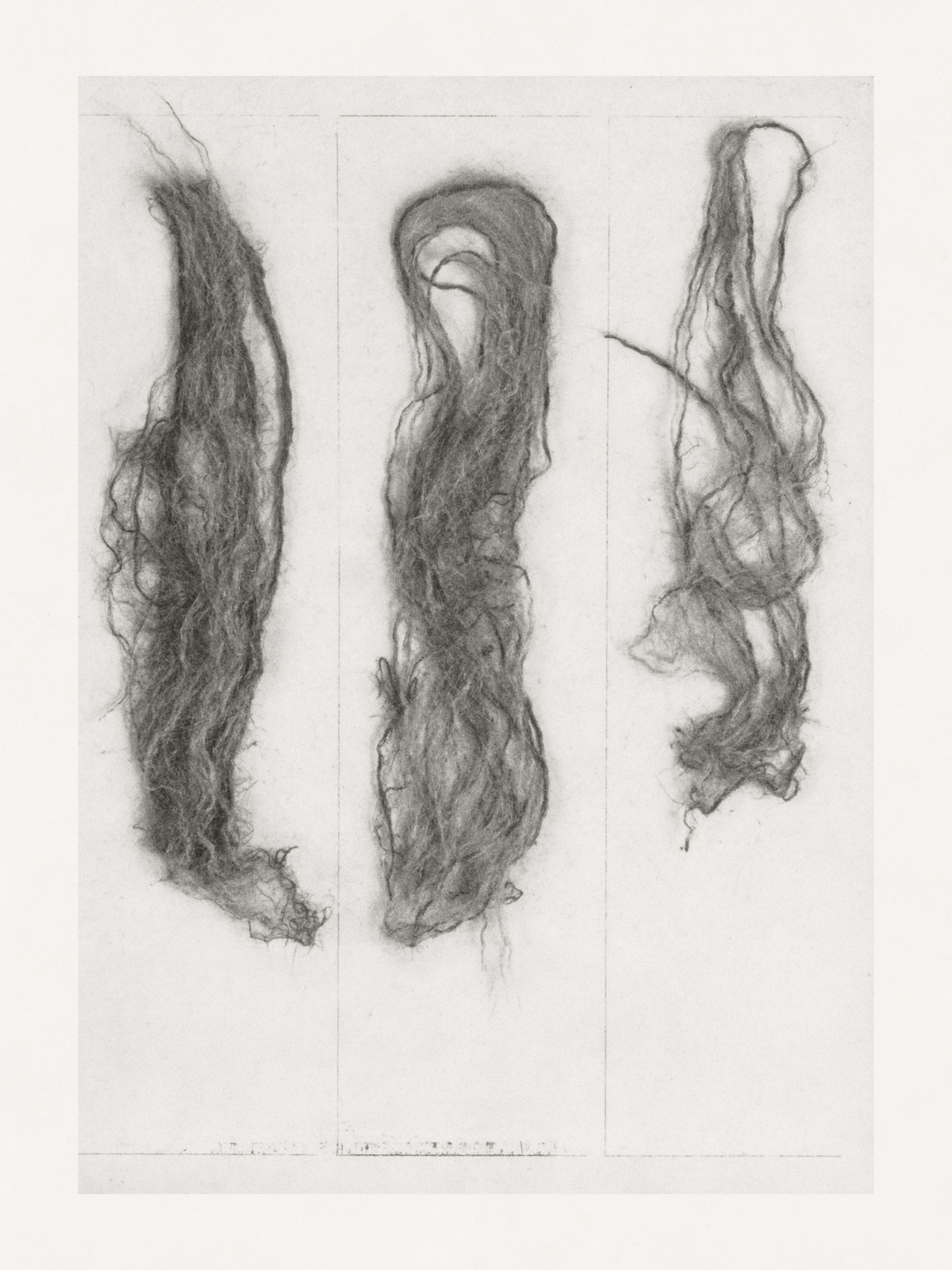
Every wash of a synthetic garment releases plastic into the water supply. Researchers at the University of Plymouth found that an average 6 kilogram laundry load sheds more than 700,000 microscopic plastic fibers. A separate study out of Italy's Institute for Polymers, Composites and Biomaterials measured the range more precisely: between 124 and 308 milligrams of microfiber per kilogram of washed fabric, depending on garment type, equivalent to 640,000 to 1.5 million individual fibers per wash. Those fibers pass straight through most wastewater treatment filters. From there they move into rivers, oceans, soil, and eventually the fish on your plate. Synthetic textiles are now estimated to contribute around a third of all primary microplastics entering the ocean. That is not an edge case. It is the industry's default output, running in the background of a machine most people run two or three times a week without a second thought.
Wool, cotton, linen, hemp, and silk all degrade back into the environment through the same microbial processes that break down a fallen leaf. Untreated wool returns to soil within one to five years. Organic cotton, in the right composting conditions, can fully biodegrade in one to five months. Silk begins showing signs of biodegradation within about four years, which tracks, given that its original purpose was to be eaten by the moth that hatched out of the cocoon.
The gap widens further upstream, at the raw-material stage. A rough industry comparison of water consumption per kilogram of fiber, drawn from sustainability research on closed-loop cellulosic production, puts lyocell at a fraction of what cotton needs, and well below polyester's fossil-fuel-intensive footprint, even before accounting for the irrigation cotton requires in water-stressed growing regions. The specific numbers vary by source and by growing region, so we won't pretend more precision here than the research supports. The direction of the gap does not move, no matter which study you read.
A polyester t-shirt takes an estimated 200 years to decompose in a landfill, and it does not sit inert while that happens. It sheds. Every UV exposure, every wash, every stretch of the fabric releases more fragments, for two centuries, long after the shirt itself has been thrown away, donated, or forgotten in a drawer.
A eucalyptus or hemp garment, worn the same way for the same number of years, returns to the ground within a lifetime. The material stops being a liability the moment you stop wearing it. That is the long-term data, a compounding difference that shows up wash after wash, year after year, for as long as the garment exists.
Sources
De Falco, 'The contribution of washing processes of synthetic clothes to microplastic pollution', 2019
Toxics Link, 'Dirty Laundry', 2022
'ITPF2020 conference paper on biodegradable fabrics', 2020.
Koenig, 'Die Wunderwelt der Lyocell-Faser', 2024.